For creators
Where to list and promote your daily game
 By Craig Dugas · ·10 min read
So you made a daily game. The hard part, it turns out, was the easy part. Now people have to find it.
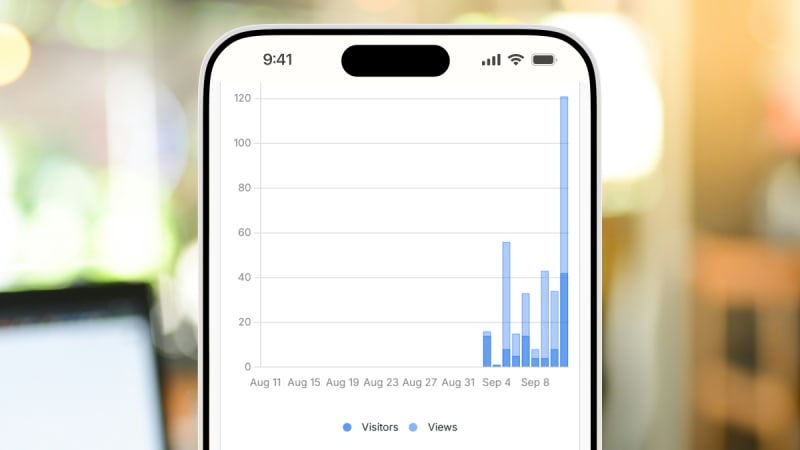
There’s no trick to this. Distribution for daily games is mostly unglamorous, and most of what works is free. As a discovery hub, Playlin has watched a lot of games find their audience (and a lot not), and the patterns have been consistent enough to write down.
This list has been a work in progress since late 2024. By 2026, I found myself trading emails with Richard Cooper, the creator of the daily word game Scooch. Richard made a point that stuck with me. There’s no shortage of ways to promote a daily game, only a shortage of hours to do it in. Some days we have twenty minutes for this, some days an afternoon, and some days nothing at all. So the list is organized by effort, and you can pick your spots.

Start here
Share with friends & family
Photo by Keira Burton
First, the thing everyone does: sending it to friends and family. Do it. They’re good for playtesting and for telling you your share button is broken. Just know it doesn’t compound. Your growth plan starts after the group chat.

Do once
Get listed on the daily game directories
Photo by RDNE Stock project
Expect a few of these to be email-only and to sit for weeks. Follow up once after a couple of weeks if you’ve heard nothing. Don’t nag. Don’t resubmit. These are mostly run by one person in their spare time, same as you. Write down which you submitted to and when so you don’t accidentally resubmit.
Each one takes a form or a short email, and a listing is semi-permanent as long as your game keeps working. Start with:
- The Dles, the longest-running list in the space, open source and lightly curated
- Like Wordle
- Goldles
- Listdle
- DLES.gg
- DleList
- The Word Finder’s daily games
- Adory Vo’s dailies list, community maintained on GitHub
And yes, submit to Playlin if you haven’t. We’d love to see your game!
Ongoing
Social self-promotion & communities
Photo by Brian Ramirez
A note before the list: plenty of makers run their game’s account anonymously, a @game handle with no name attached. That’s common in this space and completely fine. What matters for everything below isn’t your name, it’s whether the account sounds like a person or a press release. Honestly, the more of a person you’re willing to be, the better all of this works. Use whatever amount of yourself you’re comfortable with.
Posting on social
Post like a person. Share the game when you ship it, share your own daily results, post when something changes. First person, opinions, work in progress. Nobody is annoyed by a maker who is visibly making, and a pseudonym makes that no less true. The bar is lower than you think and consistency matters more than cleverness.
Pick your platforms deliberately. You cannot do all of these well, and you don’t need to. Two, done consistently, beats six done occasionally. Roughly in order of how much they matter for daily games right now:
- Threads
There’s a reason Threads is listed first. The only platform where you can find reach without followers and without making video. That combination makes it the cheapest place to start by a wide margin. Text-first and conversational, and puzzle people talk to each other here rather than just broadcasting.
- Instagram
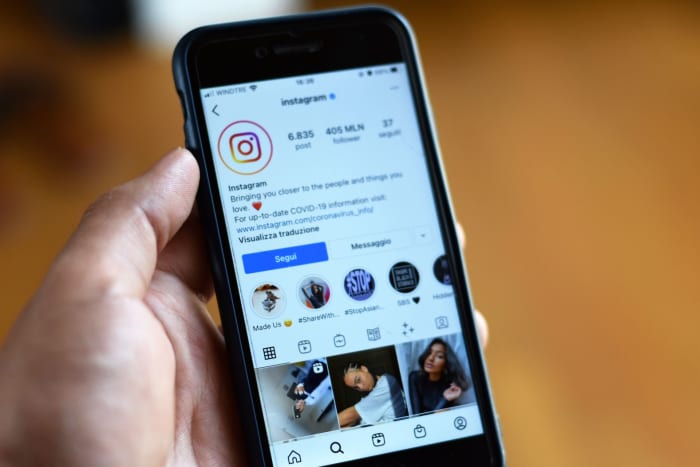
One of the two platforms actually driving discovery for daily games. Reels do the reaching, Stories do the habit-building. Visually distinctive games have a real edge here; a grid of letters has to work harder.
- TikTok
The other one. A brand new account with no followers can still land, which is the genuinely useful thing about it, but the price of admission is video on some cadence. Highest ceiling, most work.
- X
Reach has gotten unpredictable, but a lot of the puzzle and indie dev community never left. Treat it as better for reaching other makers than for reaching players, which is worth something on its own.
- Bluesky
Community-focused in a way that’s genuinely pleasant, and the people there are the right kind of people. Engagement numbers are small. Worth an account, not worth your main effort.
- Facebook
The closest thing to the classic daily puzzle audience, the crossword-and-solitaire crowd who play something every morning out of habit. The mechanic here is Groups, not a Page. Pages get almost no organic reach; a puzzle or word game group with active members can send real traffic.
Put a voice on it. Recording yourself playing, whether it’s your game or your whole daily rotation, takes more nerve and more effort. It’s also where discovery actually happens right now, and daily games are perfectly sized for short video. A face helps, but voice over gameplay carries most of the weight, and nobody has ever needed production value. You need to come across as a person. Whether anyone learns your name is up to you.
Showing up in communities
Go where people are already asking and sharing. Every week, someone posts “looking for games like Connections” or “check out my new word game.” A genuine reply with your game in it, ideally alongside a couple of games that aren’t yours, reads as a recommendation instead of an ad. Because it is one.
On Reddit specifically, these are subreddits worth sitting in:
- r/playmygame, built for exactly this
- r/WebGames
- r/wordgames
- r/puzzlevideogames
- r/indiegames
- r/webdev, where the angle is how you built it, not what it is
Read each sub’s rules before you post. Most have feelings about self-promotion, and several route it into a designated weekly thread (r/webdev has Showoff Saturday). Posting into the right thread gets you a warm reception. Posting around it gets you removed, and sometimes banned. Either way, the accounts that do well in these subs are the ones that were already participating before they had something to plug.
A note on all of the above: none of it works fast. It compounds, which is a polite way of saying most days nothing happens. That’s normal.

Outreach bets
Pitch your game
Photo by Mikhail Nilov
Low hit rate, high ceiling. One yes here can be worth more than months of posting.
Pitch the people who play games on camera. A growing set of creators play daily games for an audience. Watch what they actually play, make sure your game fits, then send a short note: what the game is, why their audience might like it, a link. Three sentences, no attachments, no press kit. Most won’t reply, and that’s normal too. The ones who do can move real numbers overnight.
Try Hacker News, once. Hacker News has a Show HN category for things you’ve made that people can try, which a daily game fits perfectly. The mechanics are worth understanding before you spend your shot. Post it yourself with “Show HN:” at the front of the title, plain and descriptive, no hype. It lands in the new queue, where it either picks up enough early votes to reach the front page or it quietly doesn’t. Never ask anyone to upvote it, which is the fastest way to get buried. Weekday mornings US time tend to be more forgiving than weekends. The audience skews technical, so if there’s something interesting about how you built it, say so, and most importantly stick around to answer questions. Front page for a few hours can mean thousands of players in an afternoon.
You get roughly one Show HN per project, so the more reliable version of this is the comment threads. When someone else’s daily game hits the front page, the discussion underneath turns into an impromptu directory of what everyone in the thread plays and makes. Those comments get read, and they keep getting read for years. Being genuinely useful in one is worth more than a failed launch post.
Ask the newsletters. Plenty of newsletters, games-adjacent and otherwise, are quietly hungry for things to feature. Results vary wildly, and it costs you one email to find out. Same pitch discipline: short, specific, easy to say yes to.
The part that makes this all worth it
All of this works better if the game stays good. Ship your daily on time. Fix what breaks. Listen to feedback. A player who comes back every morning will do more for your game than any post you write, because retention is the real distribution.
You’re looking for spikes that fall and create a new, higher baseline of daily players for your game.
Make it easy to find, easy to share, and worth returning to.